
🌱 How to Fix Compacted Soil Naturally and Systematically (With Worms That Actually Work) By Lumbri Worms & Garden, LLC
Share
🚨 The Problem: Compacted Soil Is Killing Your Plants and Trees
If your soil feels hard, drains poorly, or your plants just aren’t thriving…
you’re likely dealing with soil compaction.
Compacted soil:
- Blocks airflow to roots
- Prevents water from soaking in
- Stops beneficial microbes from thriving
👉 Translation: your soil is alive… but barely breathing.
🧠 What Causes Soil Compaction?
Most people don’t even realize they’re doing it:
- Walking or mowing over the same area
- Heavy clay soil
- Rain hitting bare ground
- Lack of organic matter
Over time, your soil becomes dense and lifeless.
🪱 Can Worms Fix Compacted Soil?
Yes… but not the way most people think.
Species like Eisenia hortensis (European Nightcrawlers) can:
- Create natural tunnels
- Improve drainage
- Build soil structure with castings
👉 BUT here’s the truth:
Worms don’t fix bad soil—they improve good soil.
If you drop worms into hard, compacted ground with no food…
they’ll either leave or die off.
A healthy 5-gallon in-ground worm bin typically supports about 0.5–1 lb (500–1,000) European Nightcrawlers comfortably long term. Overcrowding can cause heat, stress, and worms trying to escape.
It’s better to expand the system than overcrowd the bucket
That positions additional buckets as:
- healthier
- smarter
- more effective
🔥 The Right Way to Fix Compaction (Step-by-Step)
1. Loosen the Soil First
Use a garden fork or broad fork:
- Go down 4–8 inches
- Don’t till or flip—just loosen
👉 This creates space for air, water, and worms
2. Add Organic Matter (Non-Negotiable)
Top-dress with:
- Compost
- Shredded leaves
- Cardboard
👉 This feeds microbes AND worms
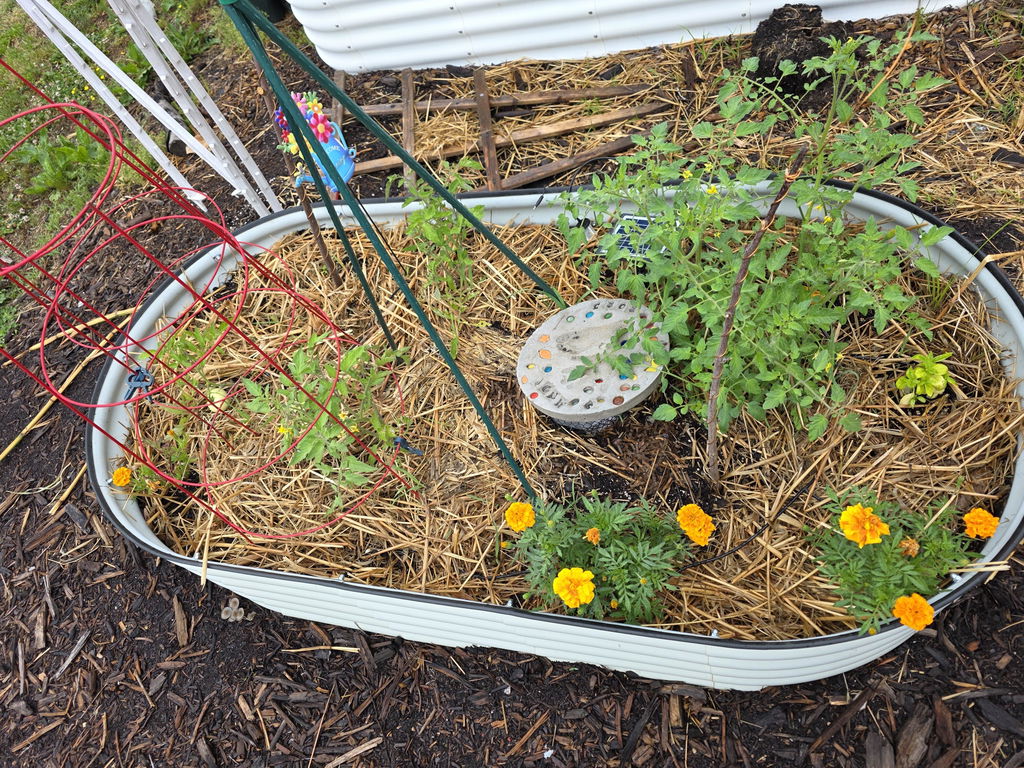
3. Mulch the Surface
Apply 2–4 inches of mulch:
- Wood chips
- Straw
- Leaf litter
👉 Keeps moisture in and protects the soil
4. Introduce Worms the Smart Way
Don’t just bury them randomly.
Instead, use an in-ground worm tower system:
- Bury a 5-gallon bucket with holes
- Place near the tree drip line
- Feed scraps inside
👉 Worms will:
- Eat in the bucket
- Travel outward
- Return for more
This creates a natural soil aeration cycle
Feed the worms in one place… and let them fix the soil everywhere else.
🪱 Fix Compacted Soil the Smart Way
Stop guessing. Start using a system that actually works.
Our in-ground worm bin systems with Eisenia hortensis are designed to:
- Break up compacted soil naturally
- Improve drainage and root growth
- Create long-term soil health
👉 No more wasted worms. No more trial and error.
Install it once… and let the worms do the work.
How Far Will Worms Travel?
European Nightcrawlers typically stay:
- Within 1–3 feet of a food source
👉 Want them to spread?
Expand the food zone:
- Add compost rings
- Maintain mulch
- Keep soil moist
⏳ What Results Look Like Over Time
Month 1–2
- Worms settle in
- Minimal visible change
Month 3–6
- Improved water absorption
- Early soil softening
6–12 Months
- Noticeably looser soil
- Stronger root growth
- Healthier plants
👉 This is long-term soil building—not a quick fix
❌ Common Mistakes to Avoid
- Dumping worms into hard soil
- Overfeeding scraps
- Letting soil dry out
- Skipping mulch
💡 Pro Tip from Lumbri Worms & Garden
Install multiple worm towers around the drip line of trees.
This creates overlapping zones of activity and speeds up soil improvement.
🌳 Around a Tree (what actually happens)
With a worm bucket near the drip line:
- Year 1:
👉 Activity mostly within 1–2 ft radius - With good mulch + organic matter:
👉 Expands to 2–4 ft over time - With poor conditions:
👉 They stay in the bucket like it’s rent-controlled housing 😅
🔥 How to make them spread further
You don’t move worms…
You move their FOOD ZONE
Do this:
- Add mulch rings around the tree
- Top-dress with compost
- Keep soil moist
👉 Worms will follow that outward
Worms don’t travel far from food—they usually stay within a couple feet. If you want them to improve more soil, you have to expand the organic matter and moisture around the tree so they have a reason to move.
💡 Pro Strategy (this is the play)
Instead of 1 bucket:
👉 Use multiple worm towers around the drip line
Why?
- Creates multiple “activity hubs”
- Overlapping zones = better soil improvement
- Faster impact on compaction
📏 How Many Buckets + Placement
🌱 Small Tree (under 6 ft wide canopy)
- 1 bucket
- Place at drip line
👉 Simple, effective, low effort
🌿 Medium Tree (6–12 ft canopy)
- 2 buckets
- Place on opposite sides (like 3 o’clock & 9 o’clock)
👉 Creates overlapping worm zones
🌳 Mature Tree (12+ ft canopy)
- 3–4 buckets
- Space evenly around drip line
👉 This is where you start seeing real soil improvement
📐 Distance from Trunk
- Usually 2–6+ feet out depending on tree size
- Rule of thumb:
👉 Edge of canopy = your target zone
🔁 How the System Works
- You feed the buckets
- Worms eat + multiply
- They travel outward a couple feet at a time
- They return for food
👉 This creates a constant tunneling cycle
👉 That’s what breaks up compaction over time
⚡ Level-Up Move (THIS is the secret sauce)
Build a “Soil Halo”
Around the whole drip line:
- 2–4 inches mulch
- Compost top-dressing
- Keep it moist
👉 Now instead of worms staying in buckets…
👉 They start expanding outward like a slow-moving army
❌ What NOT to Do
- Don’t place buckets near the trunk (root rot risk)
- Don’t leave soil bare (worms won’t travel)
- Don’t overfeed (turns anaerobic quick)
- Don’t expect overnight results (this is a system, not magic)
🪱 5-Gallon In-Ground Worm Bin Quick Guide
✅ What to Feed
Feed SMALL amounts 1–2x per week:
- Fruit & vegetable scraps
- Coffee grounds (small amounts)
- Crushed eggshells
- Damp shredded cardboard
- Leaf litter
🚫 Avoid
- Meat
- Dairy
- Oily foods
- Salty foods
- Large amounts of citrus
- Overfeeding
👉 If old food is still visible, wait before adding more
💧 Moisture
Bedding should feel like:
👉 A wrung-out sponge
Too dry:
- Worms slow down or die
Too wet:
- Bad smells
- Low oxygen
Fixes:
- Dry? → Mist lightly with water
- Wet? → Add dry cardboard
🌡️ Temperature
Best range:
55–70°F
Protect from:
- Direct sun
- Extreme heat
- Freezing conditions
🍂 Bedding
Keep bucket at least:
50–70% bedding
Best bedding:
- Shredded cardboard
- Coco coir
- Peat moss
- Leaves
👉 Bedding prevents overheating and odors.
🪱 Feeding Rule
“Less is more.”
European Nightcrawlers eat slower than red wigglers.
Overfeeding causes:
- Heat buildup
- Smells
- Pests
🔁 Maintenance
Weekly:
- Check moisture
- Add bedding if compacted
- Feed lightly
Monthly:
- Stir TOP layer gently
- Check for airflow blockage
🌱 Pro Tip
Add:
- Mulch around bucket
- Compost nearby
👉 This encourages worms to move outward and improve surrounding soil naturally.
🌱 Final Thoughts
Fixing compacted soil isn’t about shortcuts—it’s about systems.
When you:
- Feed the soil
- Protect it
- Support it with worms
👉 You build something that lasts.
👉 Shop In-Ground Worm Systems – Lumbri Worms & Garden, LLC
🔥 Don’t just add worms… build the system that keeps them working.
Feed the soil, support the worms, and let nature do the rest.